How Are Cosmetics Made? Inside the Manufacturing Process Explained by a Cosmetic Manufacturer
Have you ever wondered how your favorite lipstick or foundation is actually made?
It is far more than simply mixing a few colors together.
The process is much more fascinating than most people realize. In this article, we take you behind the scenes—from the perspective of a professional cosmetics manufacturer—to explain how makeup products are created from start to finish.
From raw ingredients to the precise steps that transform them into the products you use every day, we break down the entire process. Let’s lift the curtain on the beauty industry and uncover the real secrets behind creating the perfect lipstick shade.
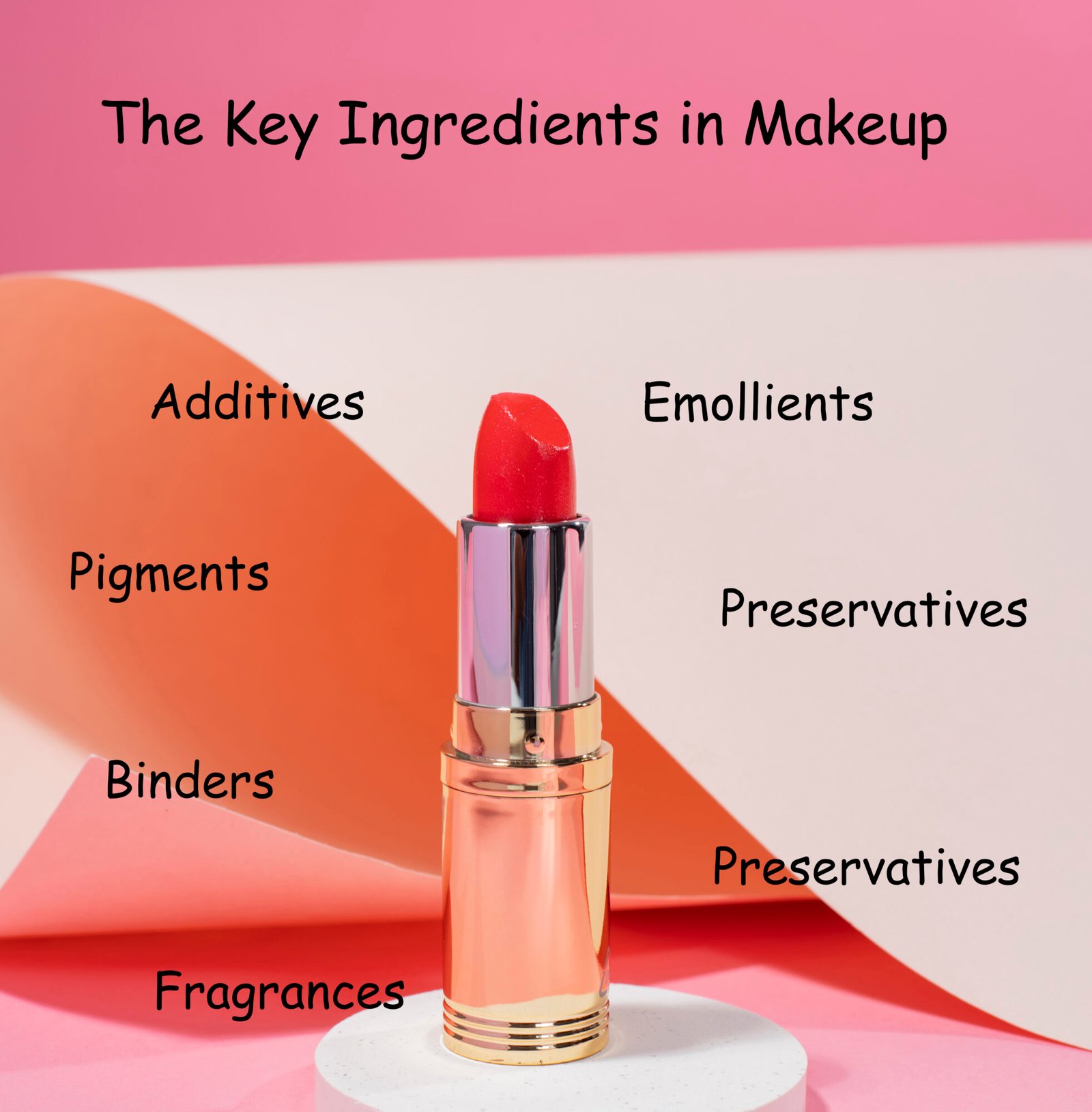
1. Pigments
Pigments are the key ingredients that give cosmetics their color. They are essential in all color cosmetics, including lipsticks, eyeshadows, and foundations.
There are two main types of pigments: natural pigments and synthetic pigments. Natural pigments are derived from minerals or plants, while synthetic pigments are created in laboratories. Synthetic pigments offer a wider color range and are generally more color-stable and long-lasting.
For example, when creating a deep red lipstick, manufacturers may start with iron oxides, a natural pigment known for its earthy red tones. Titanium dioxide may then be added to brighten the shade slightly and improve coverage. To intensify the color, a small amount of synthetic pigment such as D&C Red No. 7 can be blended in.
Each pigment is precisely weighed and carefully mixed until the desired shade is achieved. This meticulous process ensures a rich, consistent color across every single product.
Common pigments include:
-
Mica
-
Iron Oxides
-
Titanium Dioxide
-
Ultramarines
-
D&C Red No. 7
-
Carmine
2. Emollients
Emollients are responsible for giving makeup its smooth, spreadable texture. They help products glide easily over the skin while locking in moisture to keep skin feeling comfortable and hydrated.
For instance, in a cream foundation, a manufacturer may use jojoba oil as an emollient. It allows the foundation to apply effortlessly and leaves a soft, non-greasy finish.
The balance of emollients is critical. Too much can make a product feel oily, while too little can cause it to drag or apply unevenly. Emollients also affect how long a product lasts on the skin, making them a crucial part of formulation.
Common emollients include:
-
Jojoba Oil
-
Coconut Oil
-
Shea Butter
-
Mineral Oil
-
Lanolin
-
Squalane
3. Binders
Binders play an essential role in maintaining the stability and structure of cosmetic products. They ensure that powders stay compact and creams maintain a smooth, cohesive texture.
In pressed eyeshadows, for example, beeswax is often used as a binder. It helps hold the powder particles together so the product stays intact in the pan while still applying smoothly onto the skin.
Common binders include:
-
Beeswax
-
Carnauba Wax
-
Silicones (such as Dimethicone)
-
Gums (e.g., Xanthan Gum)
-
Zinc Stearate
4. Preservatives
Preservatives are added to cosmetics to prevent the growth of bacteria, mold, and yeast. Because cosmetics frequently come into contact with air and skin, preservatives are essential for product safety and shelf life.
For example, phenoxyethanol is commonly used in liquid foundations to inhibit microbial growth. This allows the product to remain safe and effective for months rather than spoiling after just a few weeks.
Common preservatives include:
-
Phenoxyethanol
-
Parabens
-
Sodium Benzoate
-
Potassium Sorbate
-
Benzyl Alcohol
5. Fillers
Fillers help improve texture, enhance spreadability, and define the final finish of a product—whether matte, satin, or luminous.
While fillers do not add color or fragrance, they significantly affect how a product feels and performs on the skin.
For example, talc is widely used in eyeshadows and setting powders for its silky feel and easy blendability. Mica adds a subtle glow, while silica helps absorb excess oil and create a matte finish.
Common fillers include:
-
Talc
-
Mica
-
Silica
-
Kaolin Clay
-
Starches (such as corn or rice starch)
6. Fragrance
Fragrance is added to enhance the overall sensory experience of a cosmetic product. Scents can range from floral to fruity, depending on the brand and product type.
While fragrance improves user enjoyment, it does not affect how makeup performs on the skin.
Common fragrance components include:
-
Natural Essential Oils (e.g., Lavender, Citrus)
-
Linalool
-
Limonene
-
Citronellol
7. Additives
Additives provide additional benefits beyond the product’s basic function. They can improve texture, offer skincare benefits, or enhance stability.
Many additives are also used as “hero ingredients” for marketing purposes.
For example, hyaluronic acid may be added to foundations for extra hydration, while vitamin E is commonly included in lipsticks to provide antioxidant protection and keep lips soft.
Common additives include:
-
Vitamin E (Tocopherol)
-
Aloe Vera Extract
-
Hyaluronic Acid
-
Antioxidants
The Cosmetic Manufacturing Process
Producing cosmetics involves multiple precise steps.
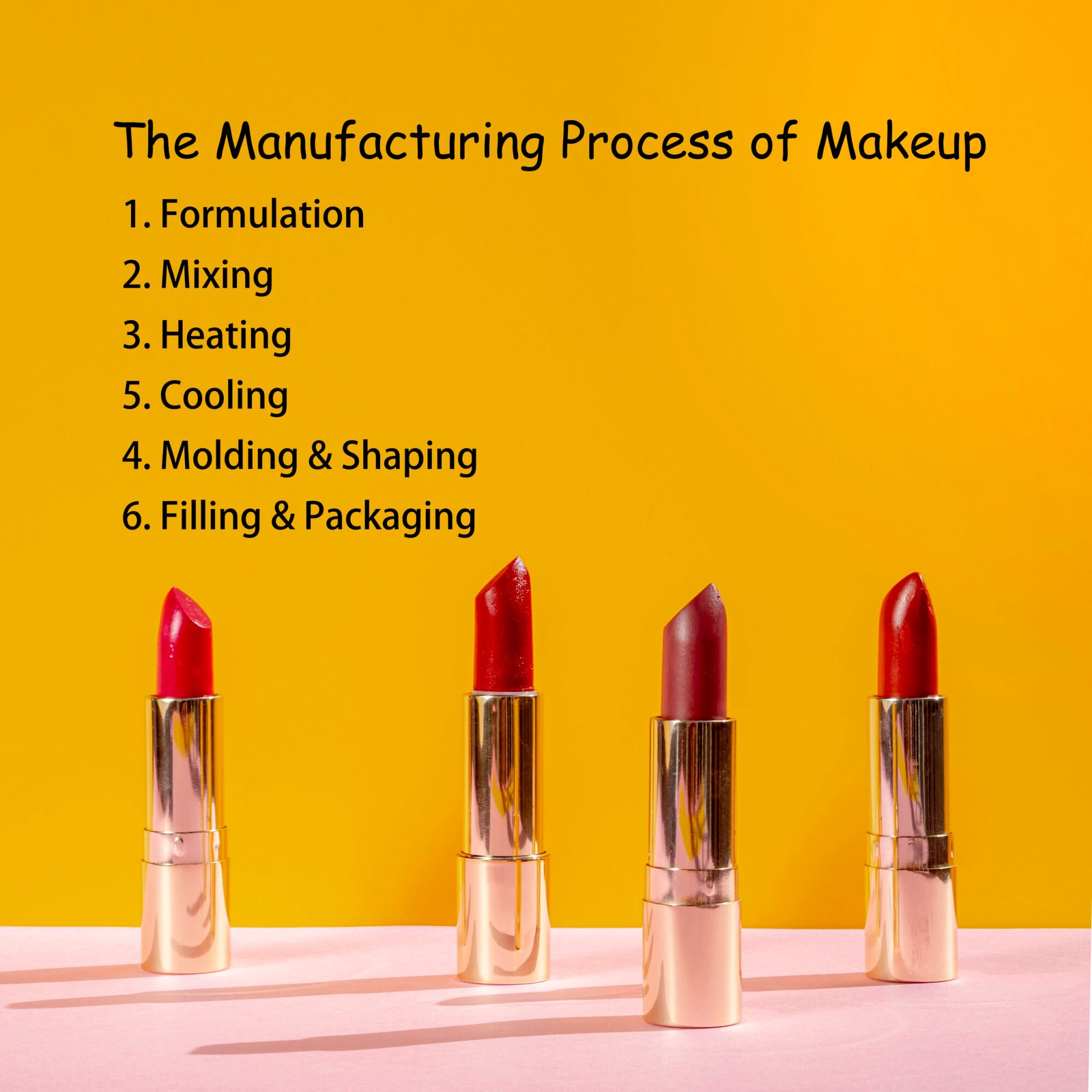
1. Formulation
The first step is formulation development. Cosmetic chemists determine the exact combination of ingredients needed to achieve the desired color, texture, and performance.
Different ratios of pigments, emollients, binders, and additives are tested until the ideal formula is achieved.
2. Mixing
Once the formula is finalized, ingredients are combined in large industrial mixers. This step ensures uniformity, so every batch meets the same quality standards.
For foundations, pigments must be evenly dispersed to prevent streaking or uneven application. Continuous mixing—and sometimes heating—helps achieve a smooth, consistent blend.
3. Heating (Optional)
Certain products require heating to melt waxes and oils. In lipstick production, waxes and oils are heated into a liquid state to ensure all ingredients blend evenly.
4. Molding and Shaping
After mixing, the product is shaped according to its form.
Lipsticks are poured into molds while still warm, forming their familiar shape. Powder products are pressed into pans under controlled pressure to create compact solids.
5. Cooling (Optional)
Products are cooled at a controlled rate to prevent cracking or separation. For lipsticks, this step is critical to ensure structural stability and a flawless finish.
6. Filling and Packaging
The final step is filling and packaging.
Solid products are placed into cases or compacts, while liquid products are filled into bottles or tubes. Once filled, products are sealed, labeled, and prepared for distribution.
Ready to Take the Next Step?
Now you understand how cosmetics are made—from selecting raw materials to final packaging. Every stage plays a critical role in delivering products that meet both aesthetic and performance expectations.
As experts in cosmetic manufacturing, we apply the same precision and care to help you create your own makeup line.
Ready to move forward? Contact us today for a free quote, and let’s create something exceptional together.
Below is a simplified overview of the most important stages, showing how raw materials are transformed into finished cosmetic products.